

sio AOYAMA
Tokyo
Plan a visit on weekdays, except Wednesdays and the 1st and 3rd Tuesdays when it is closed, for a quieter experience.
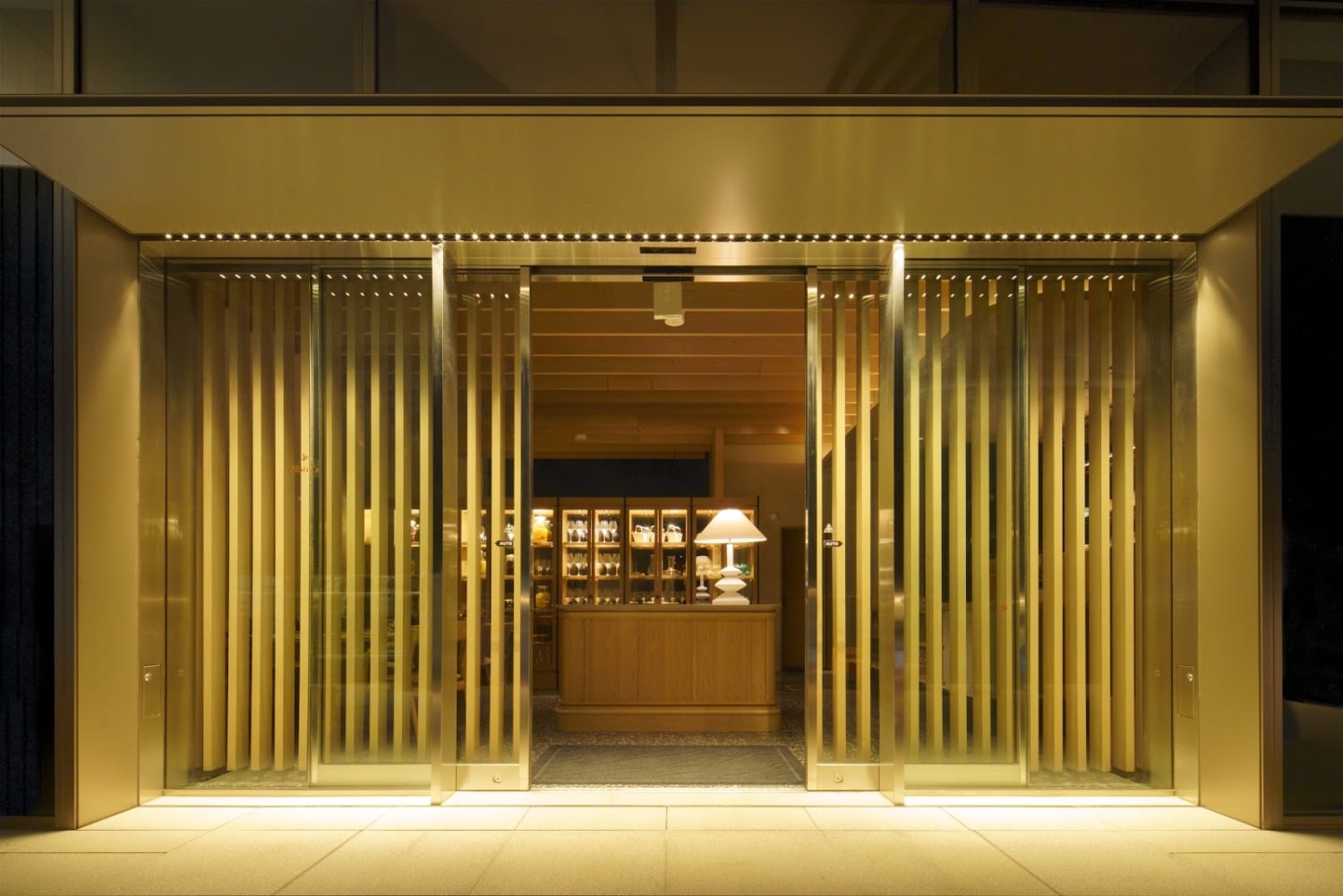
sio AOYAMA is an innovative restaurant located in the Minato City district of Tokyo, specifically in the Kita-Aoyama area. This venue offers a culinary experience rooted in Italian cuisine, yet it brings a modern and creative twist to its offerings. The dining space is intimate, featuring a cozy seating capacity of around 14 with provisions for a semi-private room.
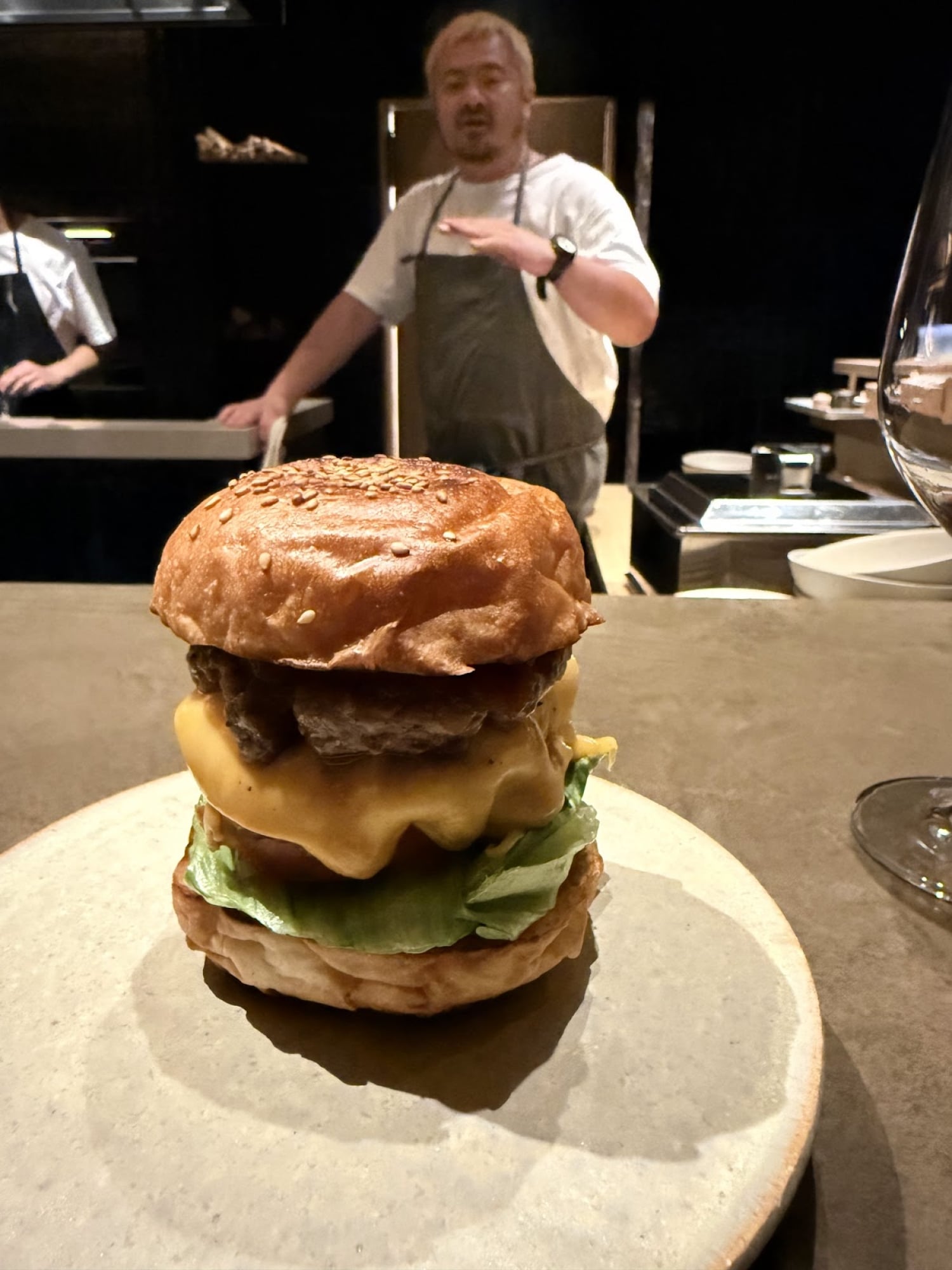
Guests visiting sio AOYAMA are invited to enjoy meticulously crafted multi-course meals. The restaurant focuses on providing what it considers to be the finest full-course dining experience, complemented by a selection of à la carte options such as pasta and sliders, ensuring a well-rounded visit. sio AOYAMA aims to deliver an atmosphere of quality and to create memorable moments for diners.
This venue is well-suited for those who appreciate a refined and innovative approach to dining, accommodating both lunch and dinner visits. It is important to note that the dress code is flexible, encouraging a comfortable yet elegant dining experience. The restaurant asks guests to avoid strong fragrances to maintain an agreeable atmosphere for all patrons.
Reviews

The restaurant boasts a wonderful ambiance. Each dish is exquisitely plated, beautifully showcasing the true essence of the ingredients. The service is attentive and meticulous; the staff provides professional yet warm explanations for every course and its curated beverage pairing, truly embodying top-tier hospitality. It was an exceptionally delightful dining experience. P.S. Dining experience in April 2025.

I wasn’t meant to eat there. I had been wandering the garden below, unhurried and slightly aimless, when the restaurant revealed itself almost by accident. On impulse, I asked for a table, fully expecting the gentle refusal reserved for the unprepared. Instead, I was ushered in—one of those small, improbable mercies that seem to sharpen the appetite before the first bite even arrives. What followed felt less like a meal and more like a quiet persuasion. Nothing on the table announced itself as elaborate or showy; there were no theatrical gestures, no flourishes designed to impress. And yet each dish carried a kind of clarity that bordered on the emotional, as if Italian restraint and Japanese reverence had found a shared language in simplicity. The asparagus was boiled in intensely mineral water, nothing more. It sounds almost ascetic, but the taste was so precise, so luminously itself, that it caught me off guard. I remember pausing, mid-bite, feeling an absurd sting in my eyes. It was, without exaggeration, the most complete expression of asparagus I’ve encountered. The signature roasted maitake mushrooms, crisped at the edges, evoked the smoky, savory pull of yakitori without ever leaving the vegetable’s own identity behind. There was Mie pork, raised by high school students, carrying with it a gentle, earnest flavor that felt inseparable from its origin story. Then came the Hokkaido potatoes, aged for two years, their sweetness deepened into something round and almost confectionary, needing only the faintest whisper of salt to come alive. By the end, I realized the meal had done something rare: it had lowered its voice to a near whisper, and in doing so, made me listen more closely than I had in a long time.